
Preserving our Past
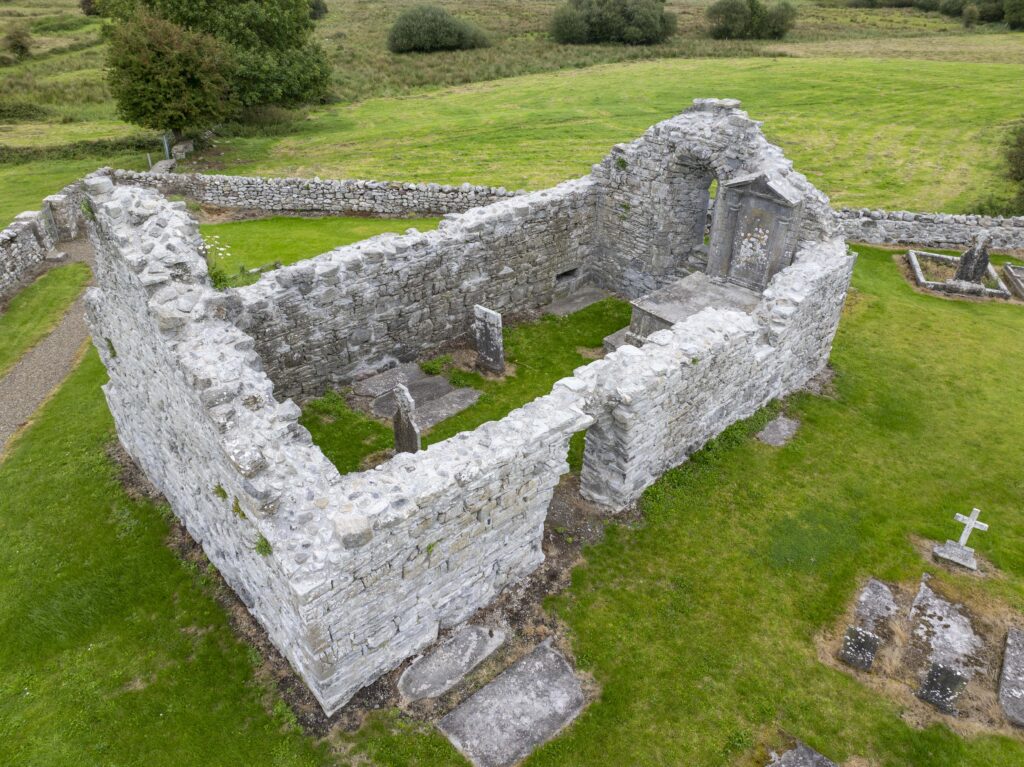
The remains of Killoo Church are evidence of medieval Ireland and are a window into a different place in time. Without conservation, we stand to lose this connection with the past – a past that explains so much of the story of Ireland. With this as their focus, a group of local people came together in 2022 and formed a company – with the goal of examining what could be done to conserve and secure the Church and its historical relevance.
One clear truth informed this project: Having been built circa 1100 AD, Killoo Church was deteriorating and in danger of collapse. This prompted a group of local people to form a company, Killoo Church Restoration Project CLG which went on to secure support from Clare County Council and National Monuments, as well as engaging RIAI Accredited Conservation Architect John Deaton and his team of professional specialists.
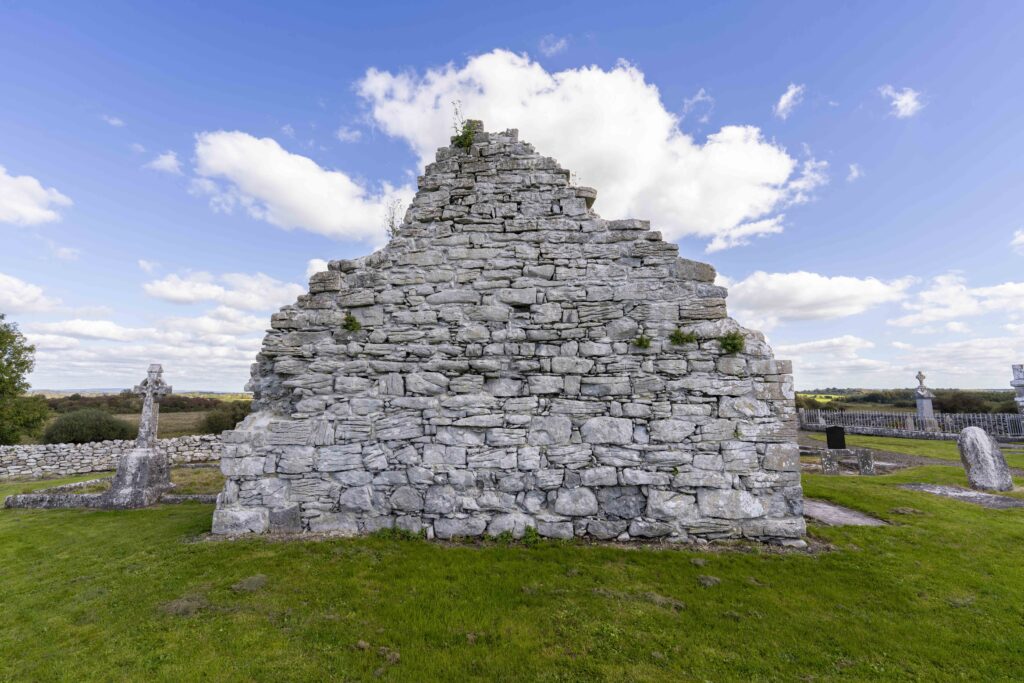
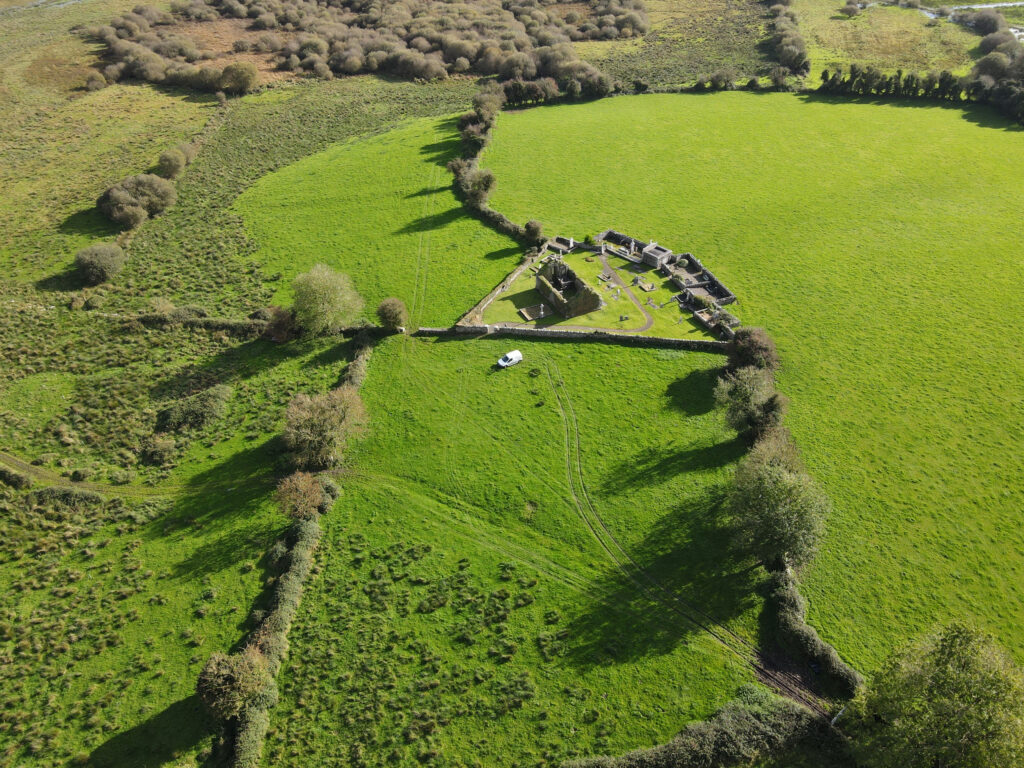
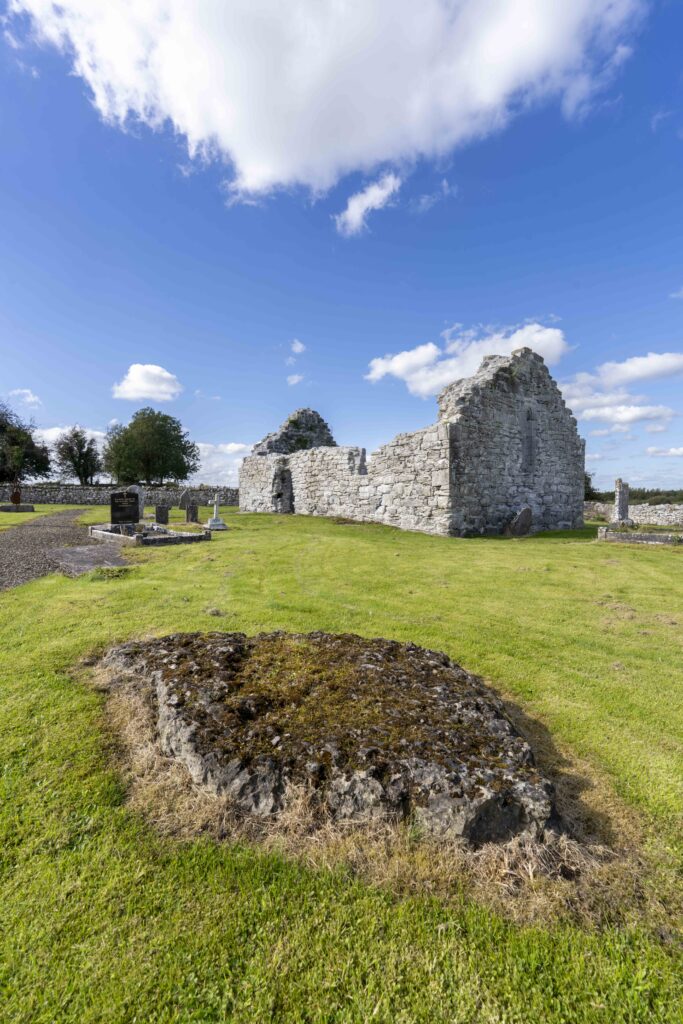
THE CONSERVATION PLAN
The Conservation Plan developed by John Deaton, with support from the Community Monuments Fund, provided a framework for the conservation, protection and interpretation of the Killoo Church heritage site. The Plan highlighted key risks as well as a set of conservation policies and implementation recommendations for the sustainable management of the site.
Throughout the project and continuing into the future, the conservation team’s single focus is change nothing.
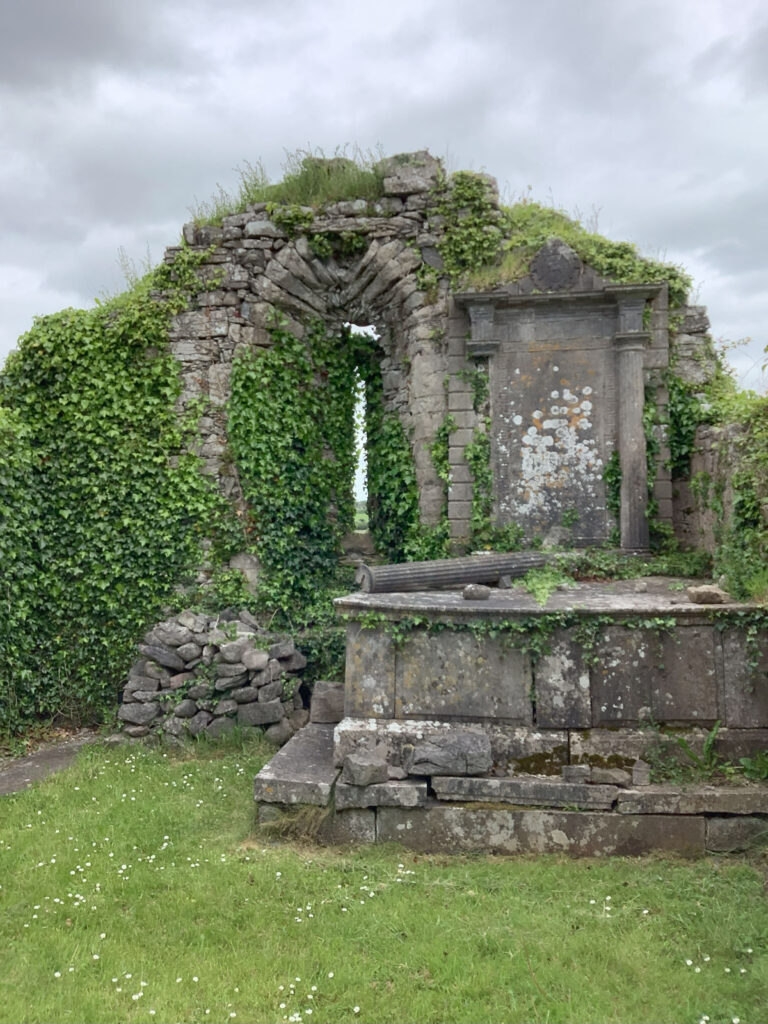
Before
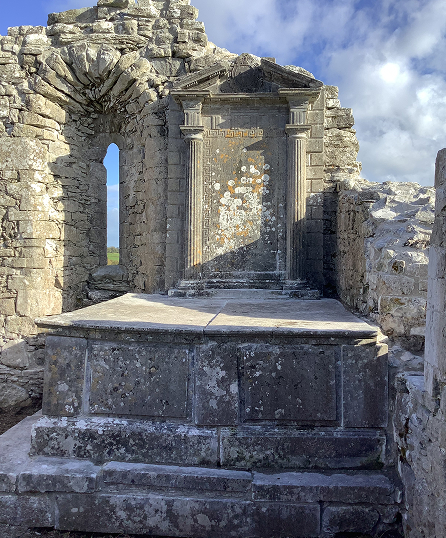
After
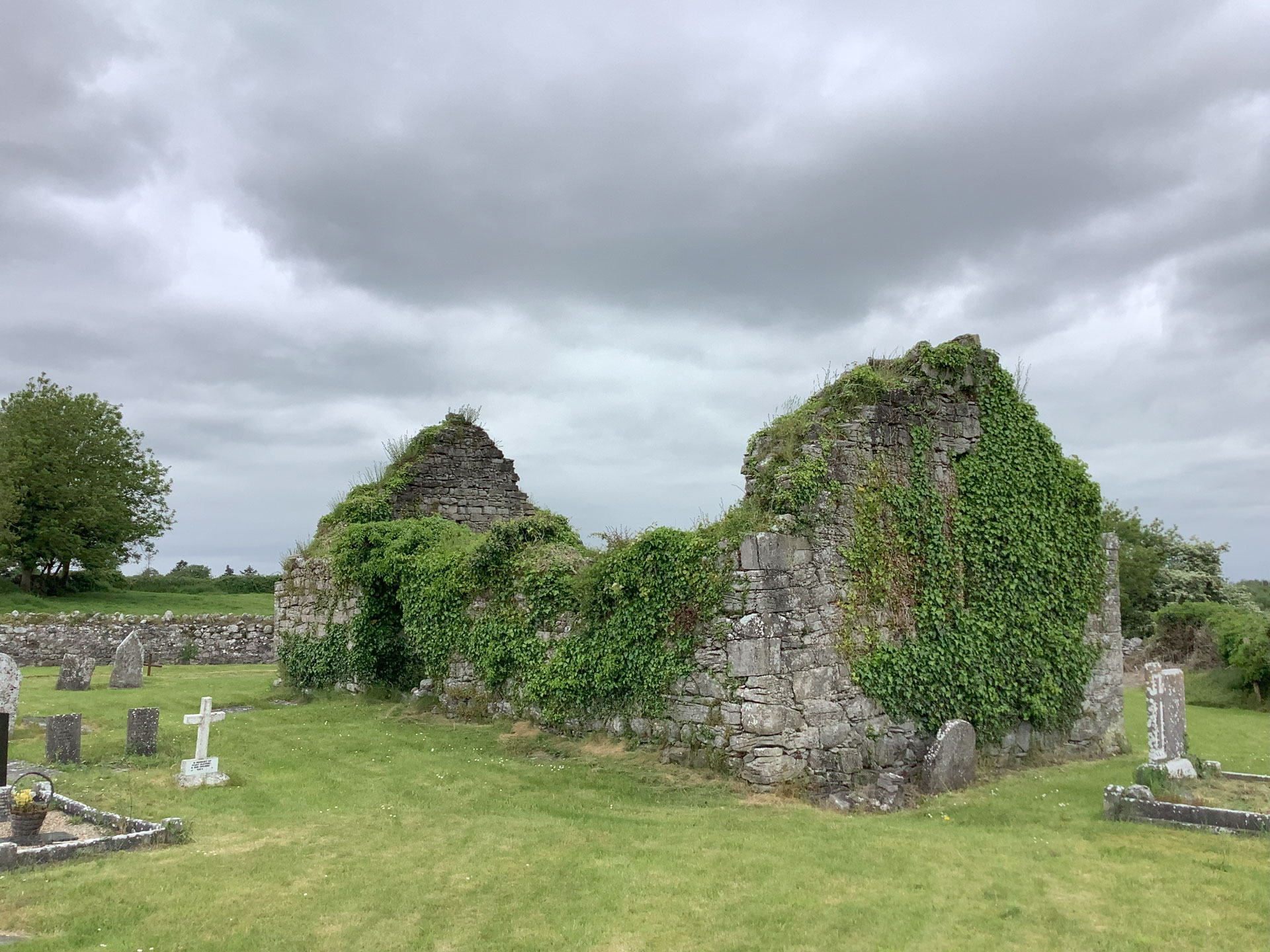
Before
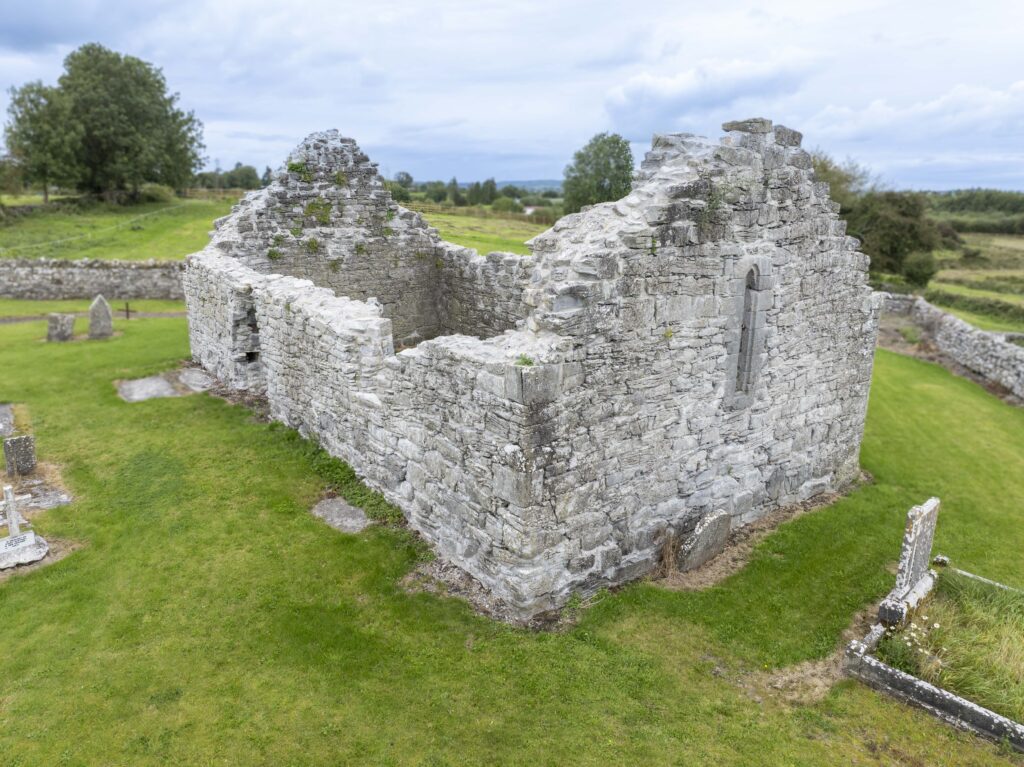
After
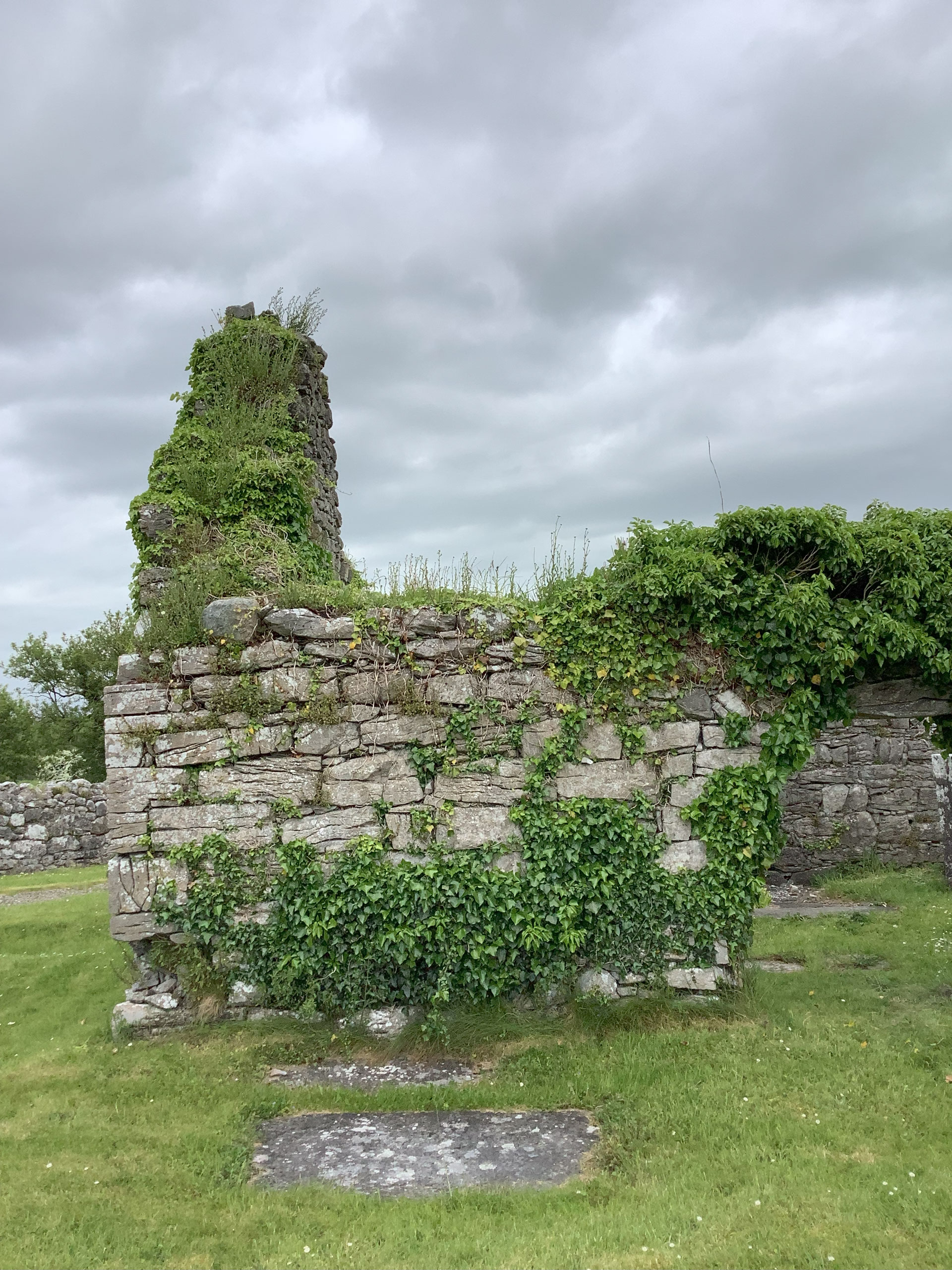
Before
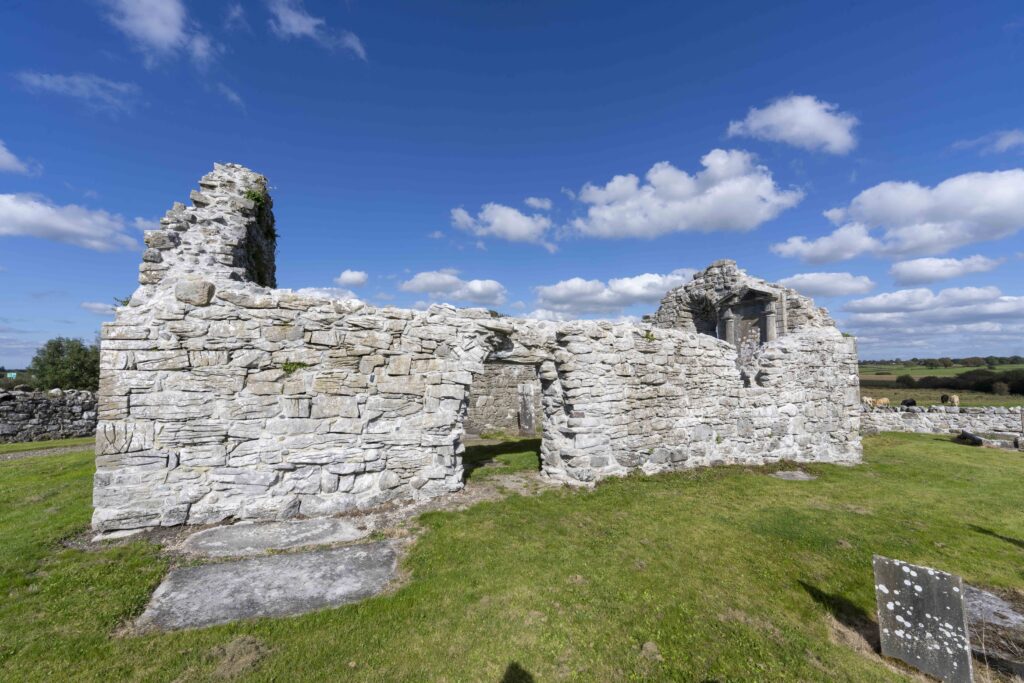
After
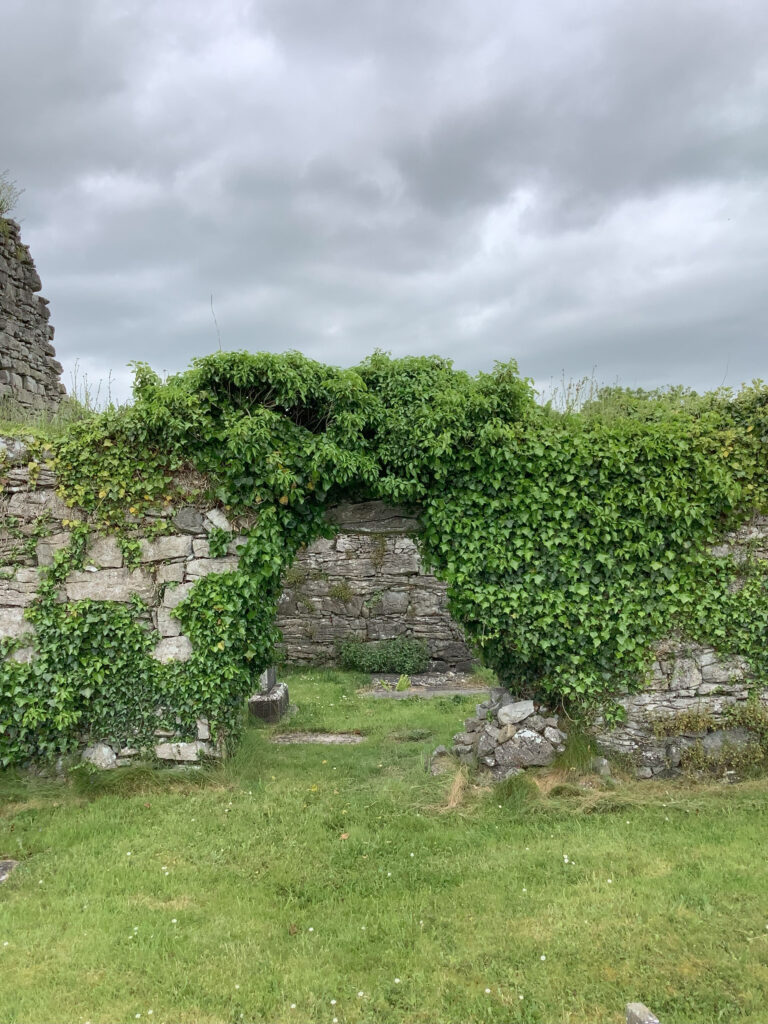
Before
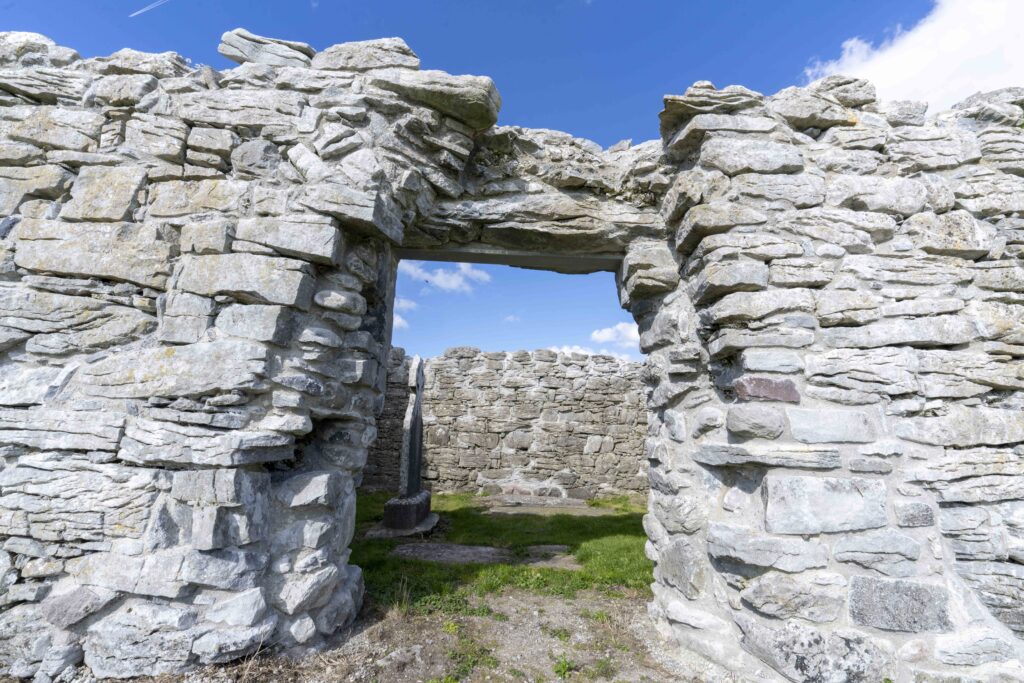
After
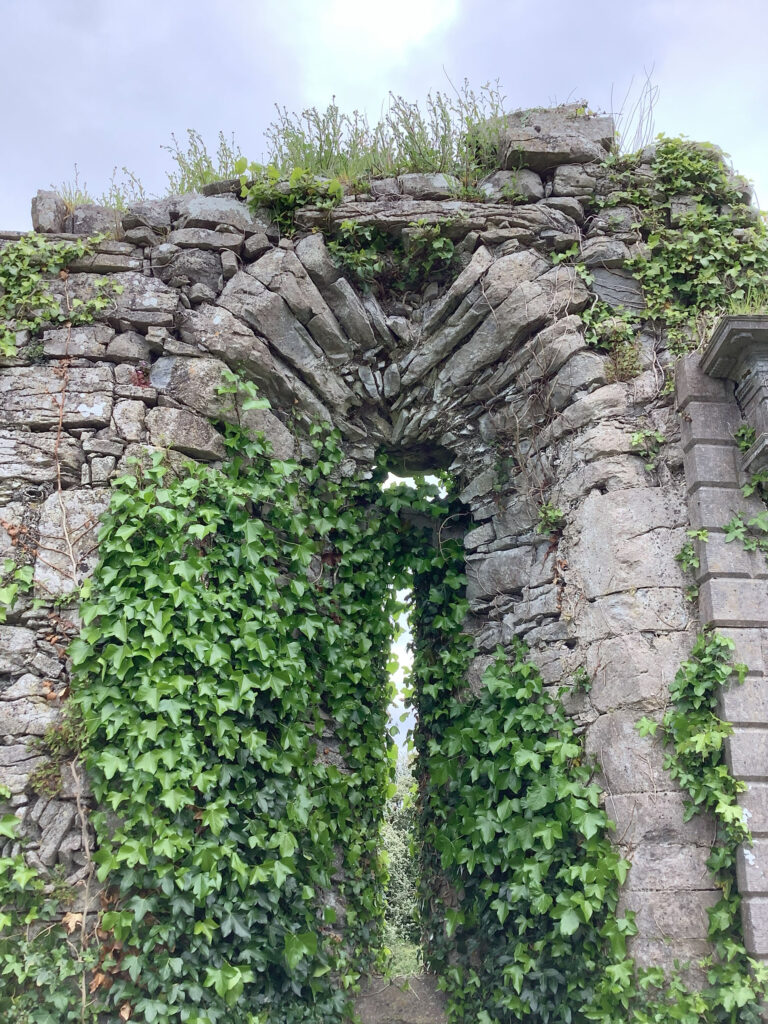
Before
After
ENGINEERING ASSESSMENT
Understanding the structural condition of Killoo Church was obviously key and this informed the details of the conservation process. The team saw that vegetation posed the greatest immediate threat, with ivy roots embedded in joints with the potential to destabilise the walls if removed without taking the necessary steps. The south doorway was especially fragile, with a cracked lintel and jambs which had been stolen over time. Temporary propping was essential.
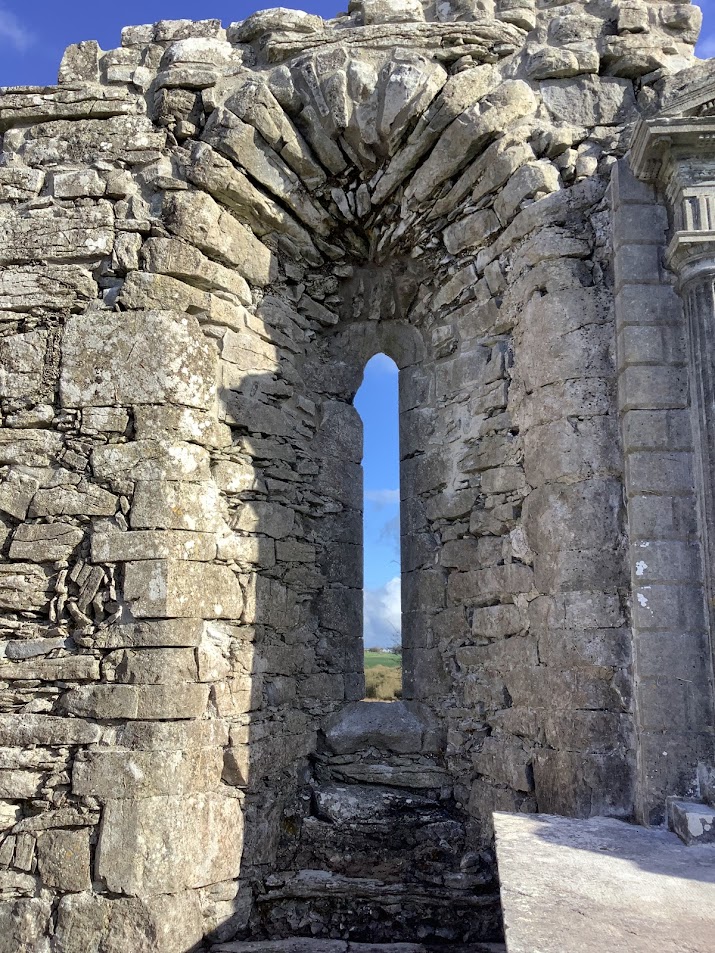
Due to the erosion of lime mortar joints, the east window arch had deteriorated, with missing keystones and wide joints. It was also discovered that the tops of the walls were vulnerable to water ingress.
External boundary walls varied in condition. The southwest wall was largely intact but needed repointing while the northeast wall was collapsing and heavily overgrown.
Later walls on the south side incorporated modern additions and reused carved masonry.
Given this assessment, the Plan recommended lime mortar consolidation, selective rebuilding, soft wall capping and the creation of a bat-sensitive ivy management plan.
CONSERVATION AND PROTECTION POLICIES
Ten key policies guided the conservation action:
- Investigative Works
To survey ivy-covered areas, complete photogrammetry and access wall tops - Essential Repairs
Wall-top stabilisation, doorway and window repair, and selective masonry patching - Maintenance
To establish a regular maintenance cycle and management group - Protection of Fabric
To prevent damage from animals, erosion, and anti-social activity - Ecological Protection
To ensure protection of existing flora and fauna, particularly bats
- Early Site Context
Seek formal protection of pre-1200 site areas - Accessibility
To improve access routes - Security
To fit spring closers to gates and monitor site use - Research and Archive
To record all works, digitise burial records and maintain an archive - Awareness
To educate and invite members of the public, including schools and specialist interest groups about the site. This would include the development of signage, QR code interpretation and online and school resources.
THE IMPLEMENTATION STRATEGY
The implementation of the conservation project has relied on the collaboration and cooperation of many stakeholders, including:
Killoo Church Restoration Project CLG
Landowner Mr Niall McCabe
Clare County Council
Department of Housing, Local Government and Heritage
Clare Local Development Company Leader Programme
Community Monuments Fund
Actions taken have included:
The Company
Killoo Church Restoration Company CLG:
CHAIRPERSON: Michael Slattery
SECRETARY: Gerard Lynch
FINANCE: Liam Barry
Members
Liam Ashe, Frank Barry, Niall McCabe, Heber McMahon, Catherine Molloy